Andrew Lavenburg on Why Curiosity Matters More Than Credentials
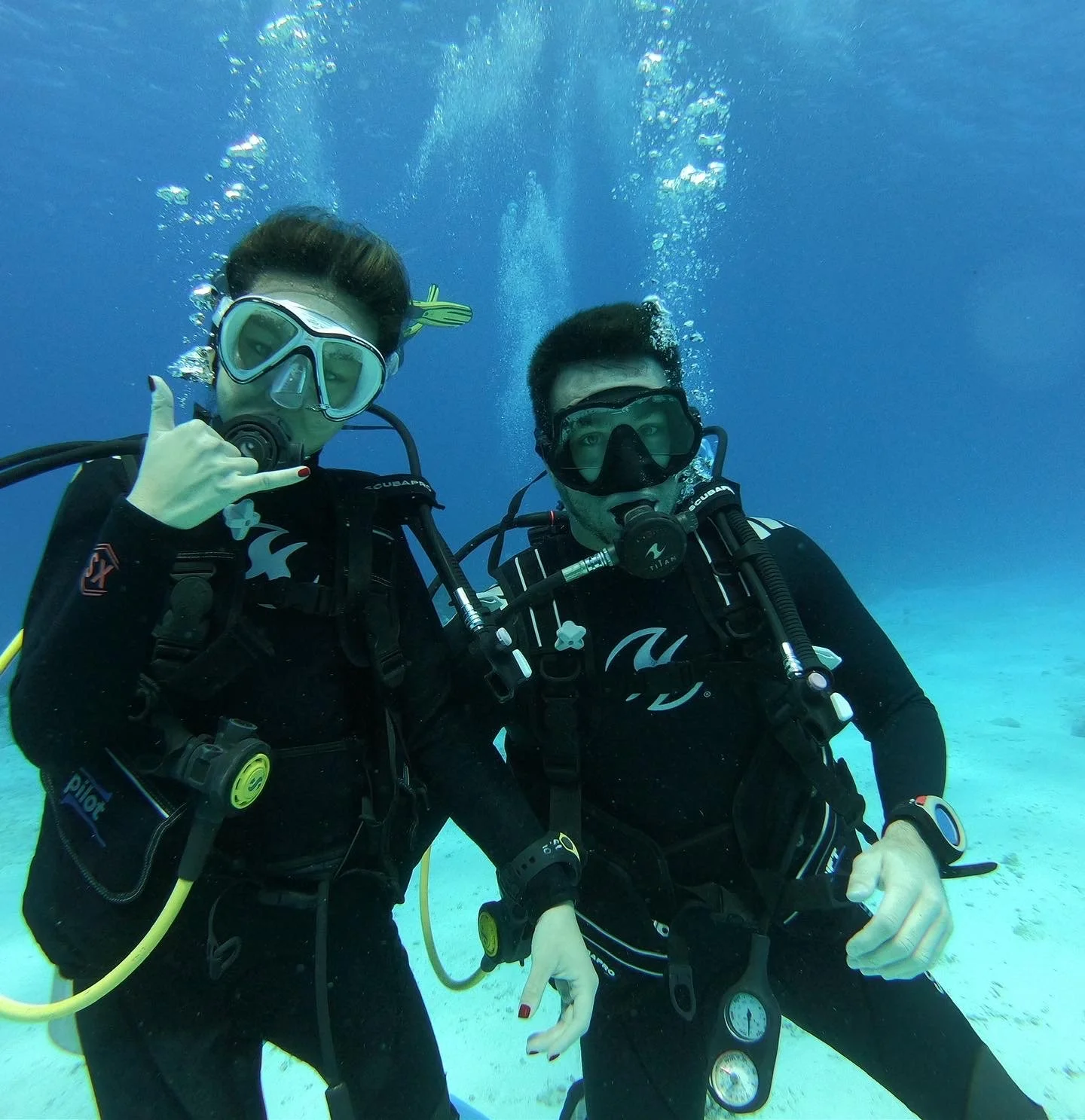
In professional environments that often prioritize titles, degrees, and formal credentials, curiosity remains one of the most undervalued drivers of long-term growth. Andrew Lavenburg’s perspective challenges the assumption that education ends at graduation or that success is determined solely by what appears on a résumé. Instead, he emphasizes curiosity as a defining trait that shapes how individuals adapt, learn, and evolve throughout their careers.
Education as a Starting Point, Not a Finish Line
Formal education provides structure, foundational knowledge, and exposure to disciplined thinking. However, Andrew Lavenburg views college not as a conclusion, but as an entry point into deeper self-directed learning. The most meaningful growth often occurs after structured education ends, when individuals must decide what to pursue, question, and refine on their own.
Curiosity drives this process. It encourages professionals to move beyond assigned material and explore how systems work, why markets behave the way they do, or how different disciplines intersect. Without curiosity, even strong credentials can become static. With it, learning remains dynamic and relevant.
The Role of Self-Learning in Career Development
In rapidly changing industries, self-learning is no longer optional. New tools, evolving economic conditions, and global connectivity require continuous adaptation. Curiosity fuels the willingness to read broadly, seek alternative viewpoints, and stay engaged with ideas outside one’s immediate role.
Andrew Lavenburg highlights that curiosity is what allows professionals to stay ahead of change rather than react to it. Those who ask better questions tend to recognize patterns earlier, understand context more deeply, and make more informed decisions over time.
Growth Beyond External Validation
Credentials often serve as external markers of achievement, but curiosity reflects an internal motivation to improve. Andrew Lavenburg emphasizes that sustained success depends less on collecting accolades and more on maintaining a mindset of exploration. Curiosity keeps professionals humble, open to feedback, and willing to revise their assumptions.
Over the long term, this mindset fosters adaptability, resilience, and clarity. It transforms learning from a requirement into a habit, and growth from a milestone into an ongoing process.